
Knowledge Hub
Blog


IT’S ALL ABOUT MAIZE
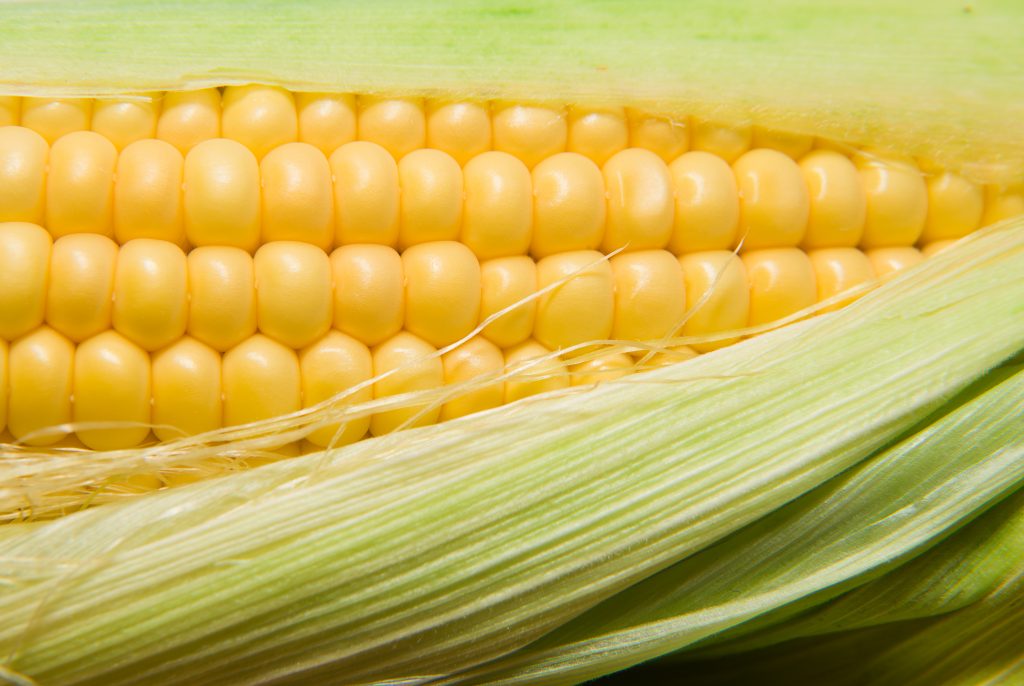
Maize is one of the most valuable global crops and is used for human consumption, for livestock feed, and in many industrial and chemical products. For years, researchers have tried using molecular markers for maize improvement but have fallen short of this goal, mainly, due to maize’s high genomic complexity and the genetic complexity of most traits.
Maize geneticists were researching single gene at a time, but when implementing these single genes into a breeding program the expected phenotypic improvements did not occur except in isolated cases. However, about 20 years ago, plant researchers embraced the successful practice of the whole genome approach the marker development, that was first developed and deployed implemented in the animal breeding field. Relying on the entire genome, especially for maize, a crop genome characterized by its large size, abundant repetitive sequences, numerous duplicated chromosomal regions, and high structural variation, genomic selection became a mainstay practice for crop and maize breeding programs.
Genomic selection is the practice of testing many individual plants and genotyping across their genomes, while measuring their phenotypic performance. This data produces a statistical model where performance of new individuals can be predicted against all genes in the genome, and thus no longer relying on a single gene. When using genomic selection, researchers do not even need to know the specific genes or their functions, yet genomic predictions have proven to be more successful for crop improvement involving complex traits than anything done previously.

Ask the author
We want to hear more about your needs. Please fill the form below and member of our team will contact you in the next few days.